
A deeper orientation

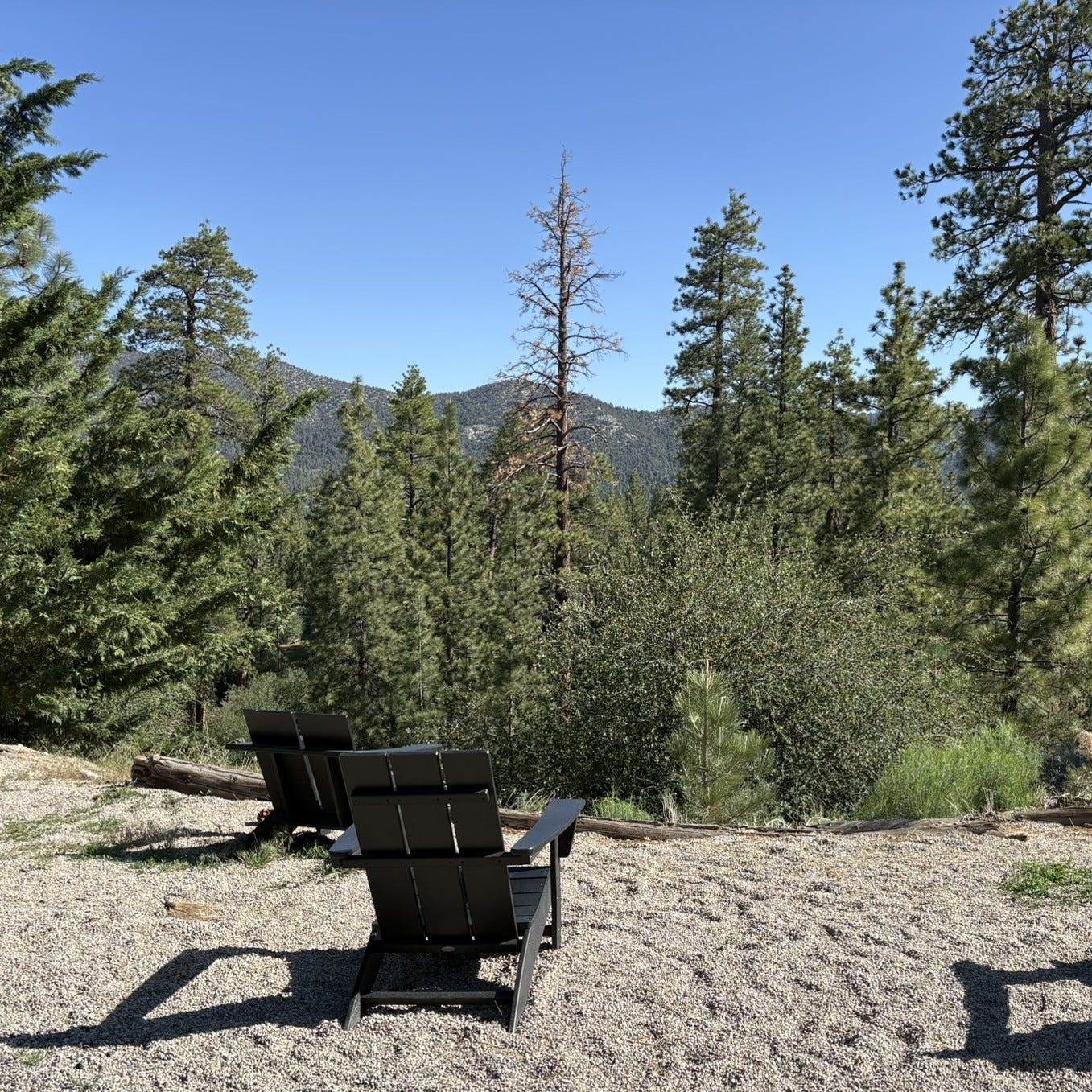
Through the magic of technology, this reflection will publish while I am attending a silent meditation retreat in Big Bear, California. That time for myself is a much-needed gift following a couple of months of adjusting to my new working life.
If you were to ask me what I have been doing since I left my corporate career at the end of March, I might have said that I’ve spent the time building the foundations for something new. Actually, that’s not quite right. I built the foundations over two years ago; more recently, I suppose I have been defining the space, connecting the plumbing, and turning on the lights.
It’s been an interesting experience to witness.
When I was in an executive role, I once remarked that I just had to show up each day, and there would be enough work to do. Whether it was the tasks that related to the rhythm of business, like planning, reporting, and staff meetings, or whether it was the external shifts in business climate causing the need for internal change, or just other people’s priorities pulling on me, every day flowed from the one before, and rarely did I have to stop and think about what I was doing. It was a very rich all-you-can-eat work buffet.
Now, I am making my own lunch.
As I made this transition, I noticed the difference in energy. At the beginning of building a business, you don’t have much momentum yet. So moving from an environment where everything was large and moving quickly to one with smaller and slower cycles was a shock to the system. I know I am not the first to experience this. In hindsight, I am incredibly grateful that I had built the foundations some years back; I had a place to start, some wind at my back, and a tiny bit of momentum.
I also noticed the systems of psychological reward shifting. In my former roles in a corporate setting, the measurement of a job well done came regularly and relatively quickly. My most recent manager was excellent at giving real-time feedback on work processes and projects; I came to really enjoy that. At the same time, the corporate world can be pretty anonymous. I did a good job, I was paid regularly and appropriately, yet the pay did not feel connected to the work. I have a friend who is a consultant, and he thrives on being paid more directly for his work. A few years ago, while I could understand his point of view, I did not share it. I had been far too long in the safety of the big corporation. These days, with my own business, I am starting to develop an affection for being closer to the value creation and delivery of something.
It’s still new, though.
Energetically, as I moved from corporate anonymity to my own business, I could still feel the urge to be relevant and visible. I wanted reassurances and indications of good performance. On top of this desire for validation, the minute I stepped out of the big company games into my own business world, social media became more important for me. At least it felt that way to me early on. Social media and online platforms are truly helpful for maintaining a basic level of relevance in a digital world. They can also be an attention-suck, and one that doesn’t necessarily help your performance in real terms. Chasing likes can definitely give your psychological reward center a dopamine hit, but this feel-good signal may only be an illusion that you are getting somewhere. It keeps you busy between lunches, but more recently, I have started to question everything that is not a central ingredient. All of this led to the realization that after my years in the fast-paced corporate world, my thinking was now out of sync with my reality.
I was used to receiving work, receiving pay, and receiving recognition.
That has significantly dried up. It’s a good thing, or at least it’s just a fact of circumstances, but my mind was used to an old way of being, and so, to begin with, it was jarring. Initially, I was craving something to fill the gap, but I have recently started to see things differently. Instead of giving my personal energy to a structured system that provided plentiful work and plentiful reward, something different is happening. The gift of being in the early stages of creating a business is that the energetic signature shifts from constant doing to experimentation. This feels much more alive.
I am in a constant beginning.
Yes, there is considerable unknown ahead of me; actually, there always was, it just didn’t feel that way. Now, there is a level of certainty to the uncertainty, a welcoming of the famous “Don’t Know Mind” in Zen circles. I suspect that the next twelve months are going to look wildly different than the previous twelve; each month will look different than the last. This has a profound effect on decision-making. I had a mentor who shared the Mayo Clinic’s innovation mindset of “Think Big, Start Small, Move Fast” with me. Honestly, I am not sure if I am thinking big, but I am starting small, and I am definitely moving fast. This allows work to feel a lot lighter. It really doesn’t matter if my website pictures change next month; it doesn’t matter if my first offerings look completely different than the ones I will do in a year; in fact, they had better!
A few skills come to mind as being needed in this phase: agility, resilience, and patience, for starters. The one that occurs to me more and more now is a capacity for conscious orientation. In a world of many beginnings, experimentation, trials, and learning, there is a need to constantly and consciously reorient. This phrase “orientation” reminds me of the OODA-loop framework that a business colleague and fellow lover of strategy introduced me to some years ago. It’s a strategic decision-making model, originally developed and used in military circles for rapid decision-making and competitive advantage.
OODA stands for Observe, Orient, Decide, Act. The Orientation step contextualizes or processes the data received in the Observe step. For me, the data gathered in the observation step consists of both business and human experience data. Business data includes cost structures and sales, marketing, and delivery metrics; the human data is grounded in how my experience and energy feel as I move forward with those. It’s also about how I feel about the human relationships at the core of my business. Through the orientation step, this data helps me come to ground, or familiarize myself with the truth of what is here right now, and informs what I should do next. Once that action is taken, the cycle starts again. Applying this idea to my developing business, these OODA loops are very specific and personal, and they encourage constant and conscious reflection.
I am a fan of the saying “Strategy without execution is hallucination”. To that I would add “Execution without reflection is momentum without direction.”
The speed and momentum of the work that I led in my former corporate roles were significant. I do wonder though, whether that left too little room for reflection, even in someone who enjoys doing so. Work can ask a lot of us sometimes. However, this art of consciously orienting, taking a step back, getting a feel for what the objective and intuitional data are telling us before continuing on our path, is vital for successful experimentation in a new business, and I would say for our careers in general. As I said, it actually feels more alive than the way I was receiving work earlier this year. If my own business gets to the point where there is a risk of momentum overtaking meaning, I guess I should be happy, but I am enjoying this reminder of the value of constant and conscious orientation.
Perhaps the meditation retreat that I am currently attending is really coming at the right time. Even though it is different than my past work movements, I have been caught up in the frenetic energy of connecting the plumbing and experimenting with lights for my new shop. It is still just the beginning of the beginning, though. The retreat won’t solve or move anything particular forward. With any luck, I won’t be doing any strategizing or cognitive work at all. The goal, if you can even call it that, of meditation practice is to be still and conscious of whatever experience arrives. That said, maybe it is the perfect container for a deeper orientation that I need right now.
We know the world of work generates plenty of momentum on its own; it’s compelling and rewarding. Perhaps the deeper orientation question is whether we are still consciously participating in the direction it is taking us.
If you are interested in exploring more practices for presence with me, you might like my upcoming course.